BANDAR ABBAS (Iran), Sep 8: The economic impact of Washington’s tightening measures against Iran is being felt sharply in the port city of Bandar Abbas, where businesses have slowed, dock activity has declined and residents face growing uncertainty amid an ongoing US blockade of Iranian ports.
The Associated Press, which visited the city following new US airstrikes targeting coastal areas, found widespread anxiety among residents struggling with the economic fallout of the conflict.
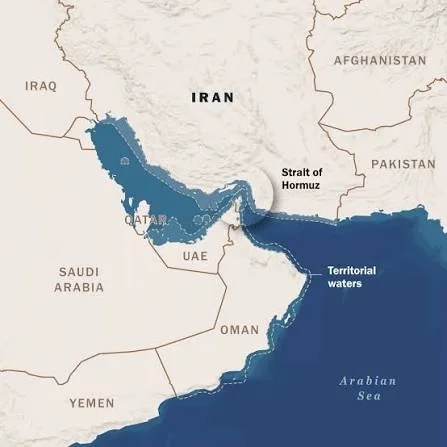
Bandar Abbas, a city of more than 700,000 people located on the Strait of Hormuz, has long depended on maritime trade and activity at the nearby Shahid Rajaee commercial port. Residents say the strategic location has brought increasing danger and economic hardship over the past six months.
Taxi driver Hamid Hajizadeh criticised the US military campaign, alleging that American strikes had killed civilians and damaged roads and bridges.
At the docks, the slowdown is particularly visible. Mohammad Torabian, who provides services to passengers, said that before the war, around 50 trucks carrying food and meat would unload at the dock each day. Now, much of the area remains deserted.
“The business right now is terrible,” Torabian said, estimating that around 500 people previously earned their livelihoods around the dock. “There is no job here,” he said.
The impact has also reached customs and import businesses. Mahsa Shojaei, an accountant with a customs-clearing company, said the firm previously handled imports of commodities such as rice, tea and coffee from India and Pakistan.
She estimated that 80 to 90 per cent of the company's workload had disappeared, with the number of customs-clearance files falling from around 100 to roughly 10 during comparable periods. At the same time, she said, the cost of moving cargo through customs had increased.
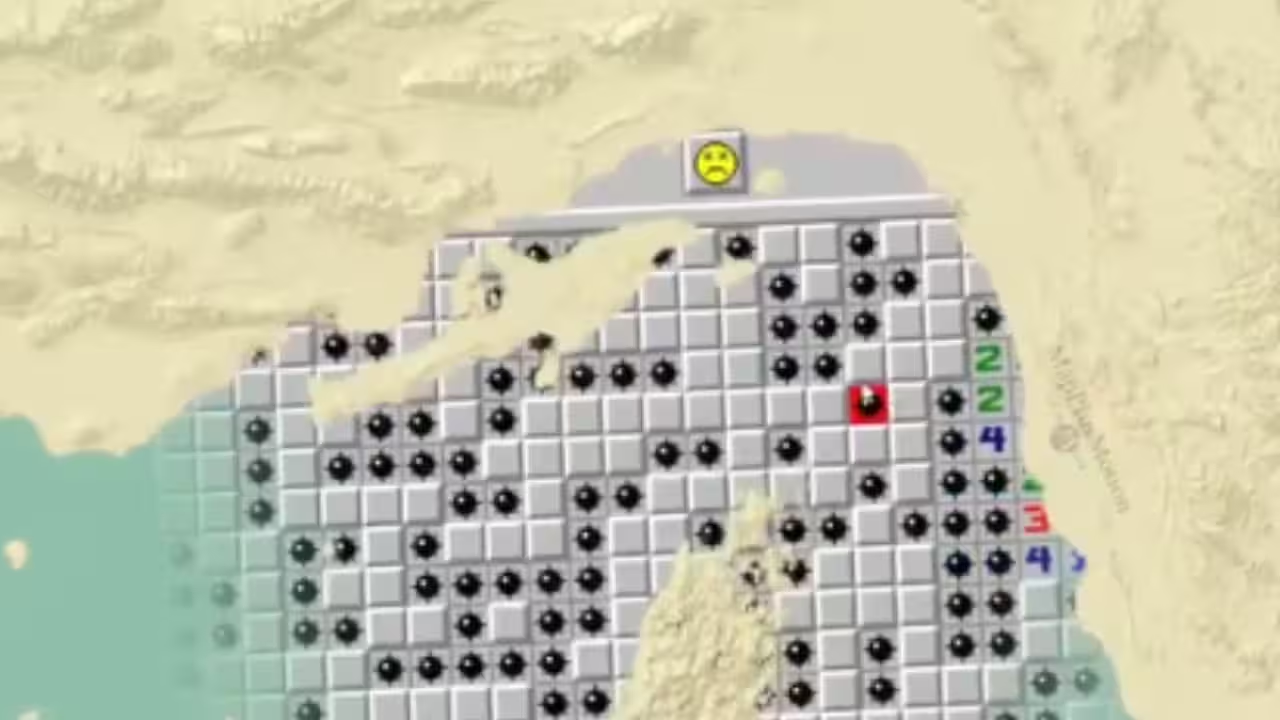
Iranian officials have strongly criticised the US blockade, which was imposed in April and reinstated after negotiations between Washington and Tehran over ending the war collapsed. The US has since threatened further economic pressure linked to the Strait of Hormuz, a vital route for global oil and gas shipments.
Iranian Parliament Speaker Mohammad Bagher Qalibaf, who was involved in the negotiations with Washington, has warned that any further escalation of the blockade could trigger a military response.
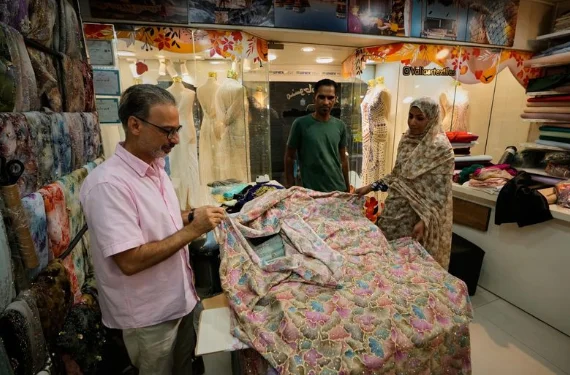
The economic downturn is also being felt in Bandar Abbas' retail markets, particularly as Iran's currency has fallen to record lows.
Children's clothing retailer Mehrdad Jahangiri said his sales had dropped by about half compared with the same period last year. He said the decline was particularly painful because the war began just before Nowruz, traditionally one of the busiest shopping periods in Iran.
With schools due to reopen later in September, merchants had expected another surge in demand for children's clothing. However, Jahangiri said the usual crowds had failed to appear.
“There are simply no customers,” he said, adding that falling incomes and depleted household savings had forced families to cut spending. His shop has at times struggled to pay rent and accumulated debts with suppliers.
Some merchants have responded by offering discounts or allowing trusted customers to pay in instalments.
For those whose livelihoods depend directly on the sea, the situation has become both an economic and safety concern.
Motorboat driver Abbas Golzanaei said he used to travel up to 30 miles offshore to transport passengers to ships and nearby ports. Since the conflict began, he has limited his trips to around seven or eight miles.
“Before the war, business was good. Now I can't go beyond seven or eight miles. The sea is not safe,” he said.
Golzanaei said the reduced activity has cut his income, while shortages of essential supplies, including gasoline, have added to his difficulties.
As cargo vessels remain anchored offshore, uncertainty continues to hang over Bandar Abbas, where the fortunes of residents and businesses remain closely tied to the security and stability of the Strait of Hormuz.