Tensions Persist in PoJK as Clashes Between Security Forces, JAAC Protesters Continue Ahead of Elections
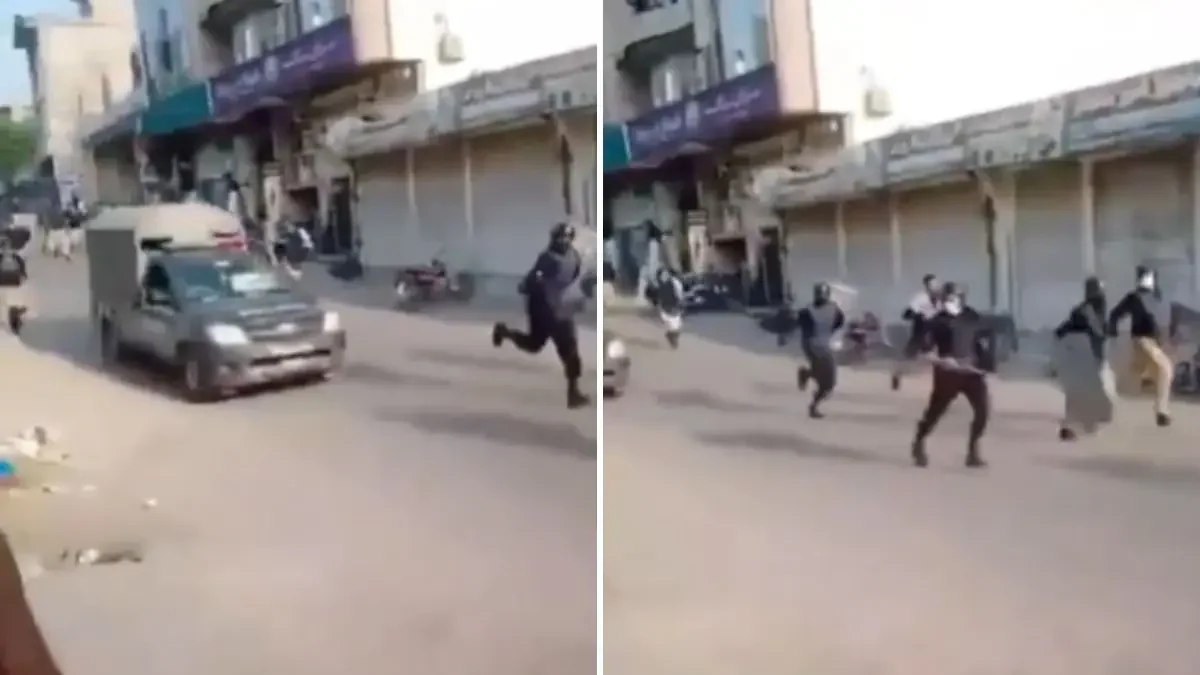
Srinagar, Jul 30: Tensions remained high in Pakistan-occupied Jammu and Kashmir (PoJK) on Thursday as clashes between security forces and members of the banned Joint Awami Action Committee (JAAC) continued, coinciding with the ongoing regional elections.
The JAAC, a coalition of activist groups, has been staging protests for nearly two months over 12 disputed seats in the so-called PoJK Legislative Assembly. The group alleges that Pakistan’s establishment manipulates these seats to install a government of its choice and has vowed to march towards Muzaffarabad to press for its demands.
Violence escalated earlier this week, particularly in the Rawalkot and Mirpur regions, where clashes between protesters and security personnel reportedly resulted in several casualties.
According to the JAAC, at least 37 people have been killed in the violence, while the number of injured remains unknown. In a statement, the group claimed its supporters were “peaceful and unarmed” and vowed to continue their agitation against what it described as oppression and injustice.
The Pakistan government, however, denied reports of civilian deaths, alleging that militants belonging to the banned Tehrik-e-Taliban Pakistan (TTP) had infiltrated the protests. Minister of State for Interior Talal Chaudhary said the authorities would not negotiate with the protesters and that the law would take its course.
Meanwhile, Amnesty International and the Human Rights Commission of Pakistan have expressed concern over the reports of violence and urged authorities to conduct an impartial investigation into the incidents.
Earlier this week, India reiterated its position that the entire Union Territories of Jammu and Kashmir and Ladakh, including areas under Pakistan’s illegal occupation, are integral parts of India. External Affairs Ministry spokesperson Randhir Jaiswal also said the ongoing protests reflected public anger over economic exploitation, denial of fundamental rights and administrative repression in the region.