Kyiv, September 21: Russia’s attacks on Ukraine’s publishing and printing infrastructure have destroyed millions of books and damaged warehouses, printing facilities and bookstores, placing the country’s already strained literary industry under growing pressure.
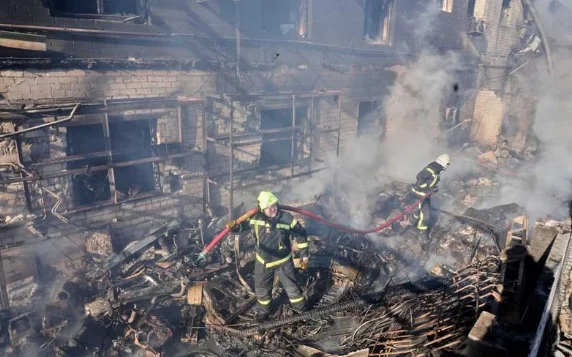
One of the most severe attacks struck the main warehouse of Kharkiv-based publishing house Ranok on August 1. According to its head, Viktor Kruglov, two Russian drones hit the facility, triggering a fire that burned for nearly a week and destroyed around eight million books, including about 620,000 textbooks.
Ukraine’s Ministry of Culture said more than 13 million books were destroyed over two months this summer, accounting for roughly one-third of the country’s annual print output. The ministry estimated the resulting losses at about USD 39.3 million, or 1.75 billion hryvnias.
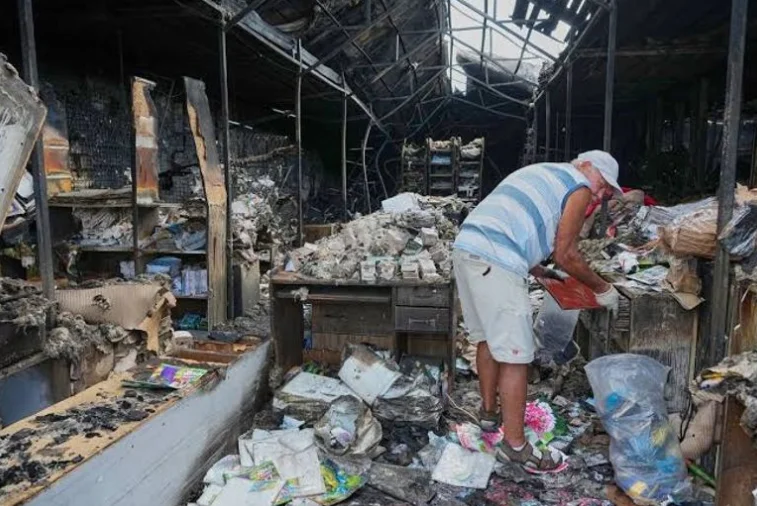
At least 40 other publishing houses and several bookstores have also suffered damage in recent weeks, according to industry officials.
The attacks have raised concerns about the future of Ukraine’s publishing sector, particularly smaller and independent publishers. Industry representatives say financial losses could make publishers more cautious about investing in debut writers and less commercially established literature.
Culture Minister Tetiana Berezhna described the attacks as part of what she called a broader effort to undermine Ukrainian cultural heritage and identity.
Despite the destruction, publishers are attempting to continue their operations. Ranok, for instance, has backup warehouses and stores its digital files in the cloud, allowing it to reprint some of the destroyed books.
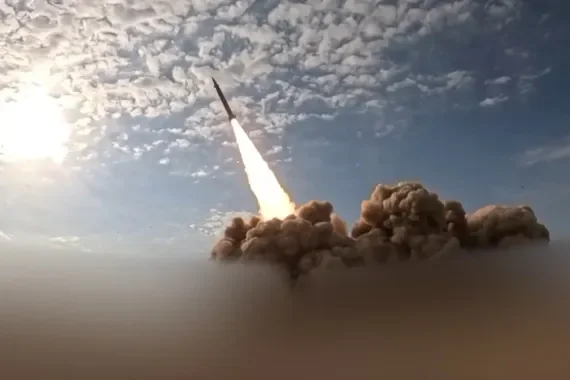
The damage has also affected printing capacity. The Konvi printing facility, which produced millions of books annually, was heavily damaged by a Russian missile strike in July. Commercial director Viktoriia Haidai said replacing a destroyed printing press could cost around €1.2 million and restoring full production capacity could take four to five years.
She said textbook production that previously took three to four months could now take six to seven months, creating difficulties for future school-year deadlines.
Industry representatives are calling for greater government and international assistance. Proposed measures include preferential loans, war-risk insurance, investment in rebuilding printing and storage infrastructure, grants for smaller publishers and increased state purchases of Ukrainian-language books for schools and libraries.
Iryna Baturevych, co-founder of the Ukrainian publishing platform Chytomo, said the losses faced by the industry in recent months were unprecedented during Ukraine’s period of independence.
Publishers say support is particularly important for small and independent houses, children's literature and new Ukrainian authors, whose work could face reduced investment as companies focus on commercially established titles.
Despite the challenges, industry leaders say preserving Ukraine’s publishing sector is important for maintaining access to Ukrainian-language literature, educational materials and cultural works during the war.