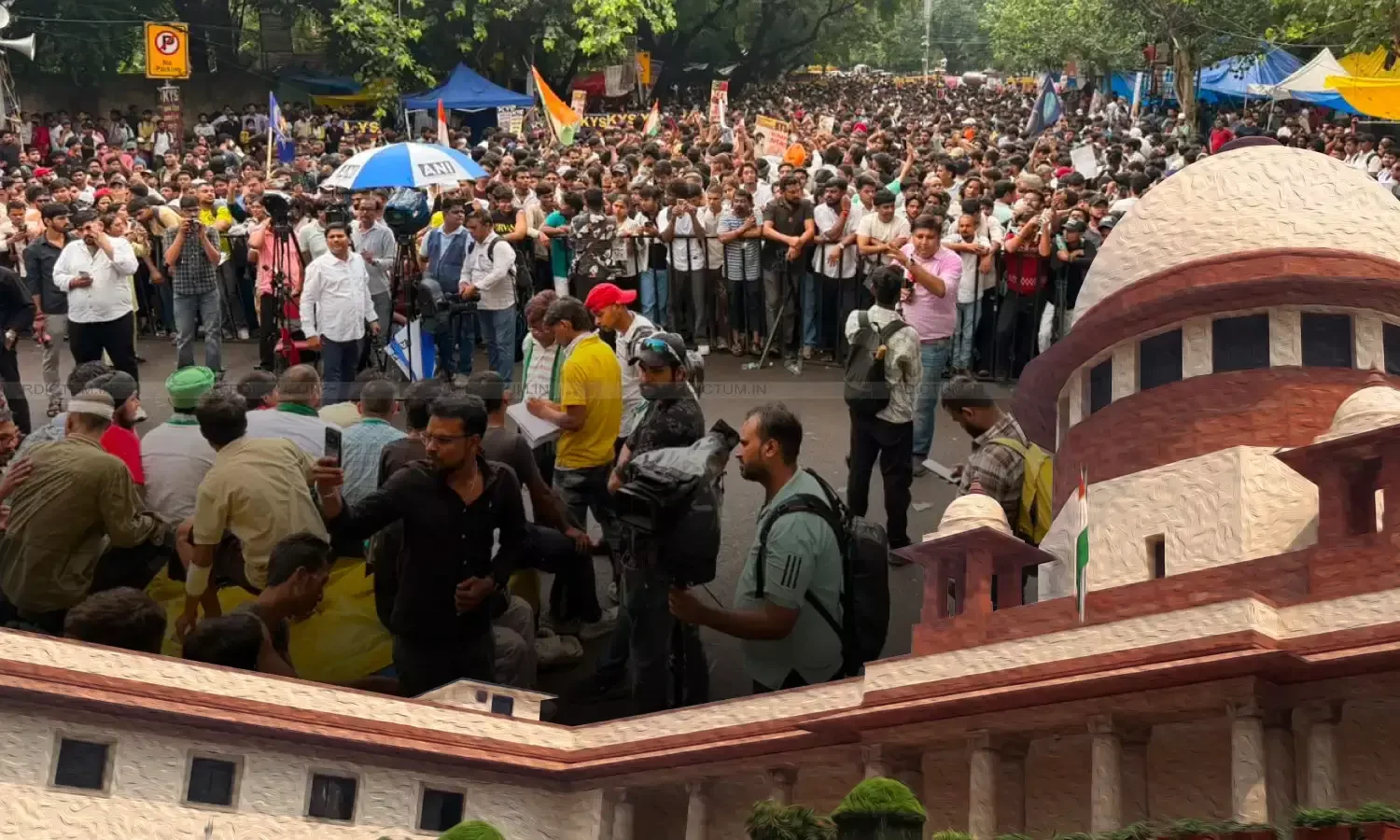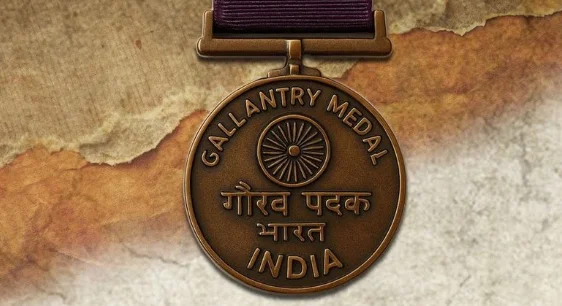
NEW DELHI, Aug 21: The Centre on Friday informed the Supreme Court that President Droupadi Murmu has approved the conferment of the President’s Medal for Gallantry on former police officer Vivek Singh Chouhan for an encounter in which he killed two dacoits in 2003.
The development came after the Supreme Court had in July expressed displeasure over the Centre’s failure to comply with a Madhya Pradesh High Court order directing that the award be conferred on Chouhan.
Solicitor General Tushar Mehta told a bench of Justices Vikram Nath and Sandeep Mehta that the President had approved the award following examination of the proposal under the relevant guidelines.
The bench noted that the Ministry of Home Affairs, in a communication dated August 20, had confirmed the approval and said the award would be notified in the Gazette of India shortly.
Chouhan, who was then station house officer of Ghatigaon police station in Gwalior district, had led an operation against dacoits on June 24, 2003, following intelligence about their presence in a village. Two dacoits were killed in the encounter, while Chouhan was also injured.
A subsequent magisterial inquiry gave him a clean chit, following which recommendations were made for his out-of-turn promotion and the gallantry award.
After prolonged litigation, the Madhya Pradesh High Court in 2018 directed the state government to forward Chouhan’s name to the Centre for the award. The state recommended his name in 2019, but the Ministry of Home Affairs rejected the claim later that year.
The dispute subsequently reached the High Court and Supreme Court, with contempt proceedings also initiated over non-compliance with the court’s directions.
The Supreme Court on Friday said that in view of the President’s approval, the matter required no further consideration. Counsel for Chouhan also informed the court that the pending contempt proceedings before the High Court would be withdrawn.
The case had also involved a dispute over the distinction between the Gallantry Medal and the President’s Medal for Gallantry, with the High Court observing that the latter was a higher honour.