
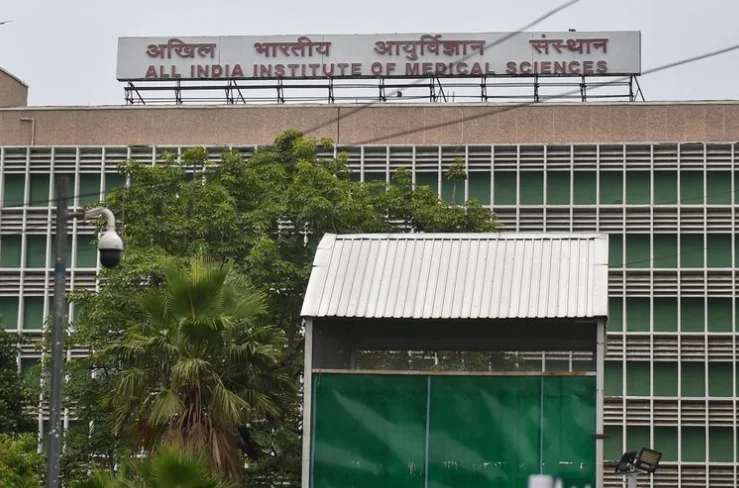
New Delhi, Sept 19: Metabolic surgery may help achieve remission of type-2 diabetes in some selected patients and improve blood sugar control in others whose condition remains uncontrolled despite appropriate medicines and lifestyle changes, a senior AIIMS doctor said.
Dr Manjunath Maruti, Professor in the Department of Surgery, said metabolic surgery should not be considered a treatment for every person with diabetes. Instead, it can be an evidence-based option for patients whose blood sugar levels remain uncontrolled despite medical treatment and lifestyle modifications.
“For some patients, medication and lifestyle modification will be sufficient. For others, despite appropriate medical therapy, diabetes would remain uncontrolled. In these patients, metabolic surgery may provide an opportunity to achieve remission, and in some, much better glycaemic control,” Dr Manjunath said.
According to the protocol followed by his unit, metabolic surgery may be considered when a patient's HbA1c, which reflects average blood sugar levels, remains above 7.5 per cent despite treatment with more than three oral anti-diabetic medicines, with or without a GLP-1 receptor agonist or insulin.
Patients should also have been living with type-2 diabetes for at least two years.
The procedure may also be considered when a patient has been advised or started on insulin because medicines are no longer sufficient to control blood sugar, he said.
Dr Manjunath said another important consideration is the presence of early diabetes-related organ damage, irrespective of HbA1c levels.
Such complications may include protein or albumin in the urine, indicating early kidney damage; leg pain while walking due to reduced blood flow; chest pain or a history of angioplasty or stent placement indicating heart disease; transient ischemic attack or stroke; and reduced vision caused by diabetic eye disease.
“In simple terms, uncontrolled diabetes means diabetes that remains inadequately controlled despite more than three medicines, or when insulin was started, or when diabetes has already started causing damage to important organs,” he said.
He said the upfront cost of metabolic surgery needs to be considered alongside the substantial long-term health and economic burden associated with uncontrolled diabetes.
Over time, diabetes can lead to serious complications, including kidney failure requiring dialysis or transplantation, heart disease requiring procedures or bypass surgery, diabetic retinopathy requiring laser treatment, peripheral vascular disease that may require surgery or, in severe cases, amputation, and stroke requiring prolonged hospitalisation.
“No treatment can guarantee that these complications will never occur. But sustained improvement in metabolic health following metabolic surgery has the potential to reduce the long-term burden of diabetes and its complications,” Dr Manjunath said.
He stressed that the decision to undergo surgery should consider not only its immediate cost and risks but also the potential long-term consequences of living with uncontrolled diabetes.
Prevention, he said, should remain the starting point in tackling diabetes, with healthier food choices, regular physical activity, adequate sleep and early identification of metabolic disease.
Patients who develop diabetes should receive timely and effective medical treatment, while those whose condition remains uncontrolled despite appropriate therapy should be evaluated by a multidisciplinary diabetes and metabolic surgery team.
For appropriately selected patients, metabolic surgery can be part of the modern treatment approach when performed by an experienced team at a dedicated centre with structured follow-up, he added.
Dr Manjunath said his unit's experience of treating 67 patients with uncontrolled type-2 diabetes, including 18 patients with a BMI of 23-35 kg/m² and 15-25 years of diabetes, highlights the potential role of metabolic surgery in such cases.
However, he said long-term prospective follow-up will be important to determine how durable diabetes remission and other metabolic improvements remain after surgery.
“Do not wait for diabetes to damage the organs before you intensify treatment,” Dr Manjunath said.
“Metabolic surgery is not for everyone but for the right patient, at the right time, it can be transformative.”