
New Delhi, Sept 1: India is witnessing a growing burden of gastrointestinal diseases, including fatty liver disease and colorectal cancer, prompting experts to call for greater emphasis on early detection, prevention and timely treatment.
Ahead of the World Congress of Gastroenterology (WCOG) 2026, experts from AIIMS said improvements in hygiene, vaccination and public health measures have helped control several communicable diseases, but metabolic and lifestyle-related gastrointestinal conditions are increasingly emerging as major health concerns.
The WCOG 2026, being held in India for the first time from September 30 to October 3 at Yashobhoomi in Dwarka, will bring together gastroenterology specialists from around the world to discuss the changing burden of digestive diseases.
Dr Pramod Garg, professor and head of the Department of Gastroenterology and Human Nutrition at AIIMS, said India is undergoing an epidemiological shift, with metabolic diseases emerging on an unprecedented scale alongside progress in controlling preventable illnesses.
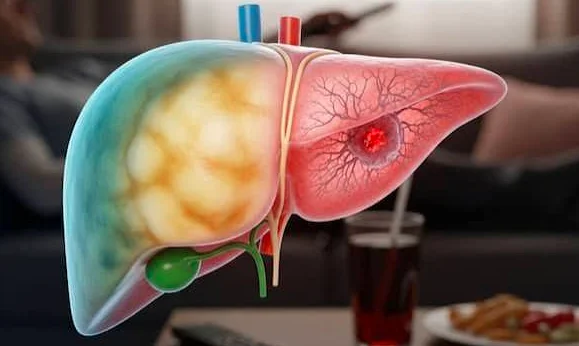
Fatty liver disease has become a major concern. An AIIMS-led systematic review and meta-analysis found the condition in 38.6 per cent of Indian adults and 35.4 per cent of children, according to Dr Shalimar, professor in the Department of Gastroenterology at AIIMS.
The condition is closely linked to diabetes, obesity and hypertension and can remain undetected until significant liver damage occurs. Experts said liver fibrosis has also been found in a substantial proportion of patients with Type 2 diabetes.
India included fatty liver disease in its National Programme for Prevention and Control of Non-Communicable Diseases in 2021, followed by guidelines for screening and detection at the primary-care level.
Dr Garg stressed that fatty liver disease can be identified early if people undergo appropriate evaluation, urging a shift from treating illness to actively promoting preventive healthcare.
Colorectal cancer is another growing concern, with doctors reporting an increase in cases among younger adults. India recorded 40,430 new cases among men and 24,433 among women in 2022, according to available data.
Experts advised people not to ignore warning signs such as blood in the stool, persistent changes in bowel habits and unexplained weight loss.
Dr Govind Makharia, professor at AIIMS and chairman of the local organising committee for WCOG 2026, said persistent gastrointestinal symptoms should be medically evaluated rather than dismissed as routine problems.
Meanwhile, infections such as Helicobacter pylori and intestinal worm infestations continue to contribute to India’s gastrointestinal disease burden. Conditions including celiac disease and inflammatory bowel disease, once considered relatively uncommon, are also being increasingly diagnosed.
An AIIMS-led community study found celiac disease in approximately one in 96 people in northern India.
The WCOG 2026 will discuss advances in diagnostics, endoscopy, treatments, gut microbiome research and artificial intelligence-enabled healthcare, besides examining the changing global burden of digestive diseases.
Experts emphasised that timely evaluation of persistent symptoms and preventive interventions can help detect and manage gastrointestinal conditions before they become more serious.