Sanaa, October 17: Yemen’s Iran-backed Houthi rebels have demonstrated their expanding military capabilities through repeated attacks on Saudi Arabia and territorial advances inside Yemen, raising fresh concerns over regional security and vital shipping routes.
In recent weeks, the rebels have reportedly targeted key Saudi infrastructure, including King Khalid International Airport in Riyadh and the headquarters of national oil giant Saudi Aramco. The attacks have disrupted flights and raised concerns about the security of the kingdom’s economic assets.
Despite years of airstrikes by Saudi Arabia, the United States, Britain and Israel, the Houthis have continued to strengthen their military capabilities.
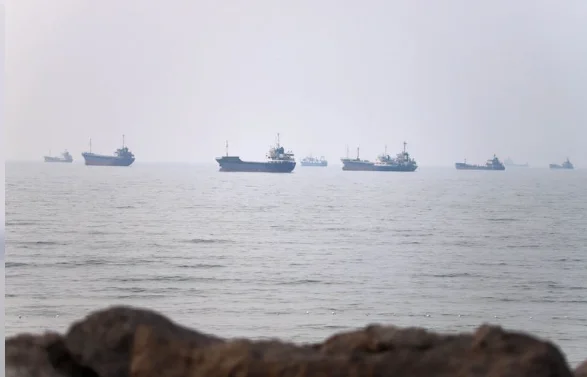
The rebels operate across vast, mountainous areas of Yemen, allowing them to disperse fighters and military installations while threatening oil facilities and important commercial shipping routes.
Growing Missile and Drone Capabilities
The Houthis possess an expanding arsenal of ballistic missiles, cruise missiles, drones and anti-ship weapons. Several of their weapons reportedly resemble Iranian designs and have the capability to threaten Gulf countries and Israel.
United Nations experts and other analysts have documented extensive military links between the Houthis, Iran and allied groups in the region. A recent report also indicated that the rebels had attempted to obtain components from Chinese suppliers for precision-guided ballistic missiles with a reported range of around 2,000 kilometres.
Iran denies supplying weapons to the Houthis, while arms shipments destined for Yemen have previously been intercepted and found to contain Iranian-made weapons and components.
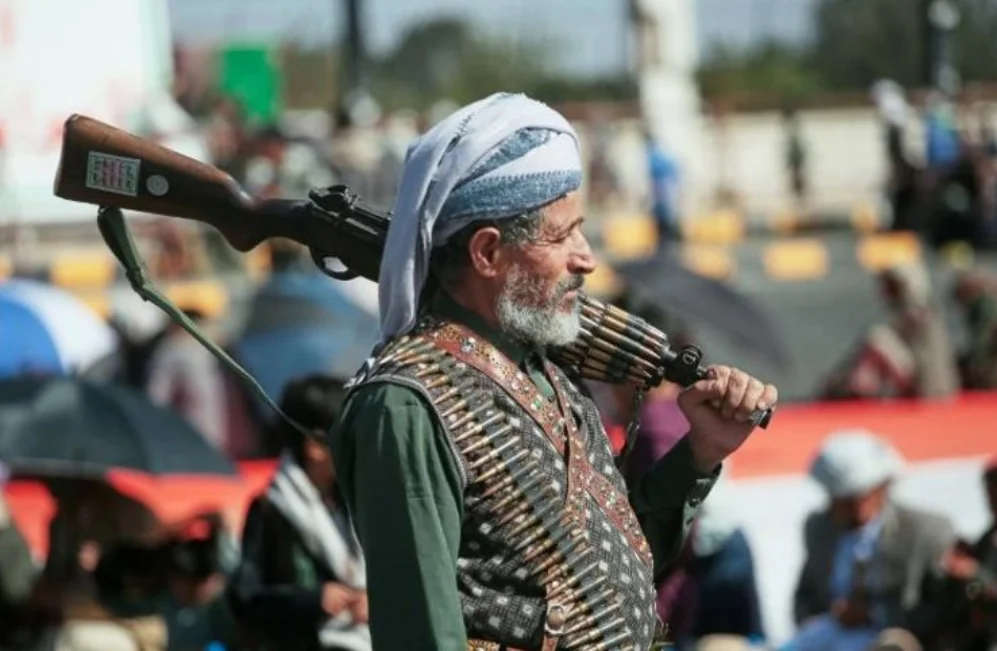
A 2024 report by UN experts estimated that the Houthi movement had recruited as many as 350,000 fighters, compared with approximately 30,000 in 2015, when Saudi Arabia intervened in Yemen’s civil war.
The rebels have also developed the ability to manufacture some weapons domestically, potentially reducing their dependence on external supplies. Their relatively inexpensive drones and missiles can pose a costly challenge to advanced air-defence systems.
Saudi Arabia Faces Growing Security Challenges
Saudi Arabia has access to sophisticated US-supplied aircraft and missile-defence systems. However, sustained attacks could put pressure on its supplies of advanced interceptors and complicate efforts to protect infrastructure spread across the kingdom.
The reported strikes on Riyadh’s airport and Aramco facilities have highlighted the vulnerability of strategic assets located hundreds of kilometres from Yemen.
The conflict also threatens Saudi Arabia’s ambitions to establish itself as a major international destination for business, tourism and sports.
Years of Conflict and Failed Military Pressure
The Houthis, a Shiite religious and political movement rooted in northern Yemen, have been fighting Yemen’s internationally recognised government, which is backed by Saudi Arabia.
Saudi Arabia entered the conflict in 2015 after the rebels captured large parts of northern Yemen, including the capital, Sanaa. Years of airstrikes and military operations failed to significantly alter the front lines before a ceasefire took hold in 2022.
Following the outbreak of the Gaza war in 2023, the Houthis began attacking commercial shipping in the Red Sea, saying their actions were intended to pressure Israel. The United States and Britain subsequently launched military strikes against Houthi targets, followed by an intensified US air campaign under President Donald Trump.
Although the Houthis agreed to stop attacking American ships after weeks of US strikes, they continued operations against Israel, which carried out further attacks on Houthi targets in 2025.
After remaining largely on the sidelines during the initial months of the Iran war, the rebels reportedly resumed attacks on Saudi Arabia in July and announced a blockade targeting Saudi shipping.
Ground Operations and Diplomacy Remain Key Challenges
Military analysts point out that airstrikes alone rarely eliminate an armed movement capable of operating across difficult terrain. A sustained military defeat of the Houthis would likely require effective ground forces capable of securing territory.
However, forces opposing the rebels in Yemen remain divided. They include Saudi-backed government forces and southern separatists supported by the United Arab Emirates, which withdrew its forces from Yemen in 2019.
The United States appears reluctant to become further involved while dealing with the wider conflict involving Iran. Saudi Arabia signed a mutual defence pact with Pakistan and Turkey in August, although the extent of any assistance in a future conflict remains unclear.
Diplomatic efforts also face significant obstacles. The Houthis are demanding that Saudi Arabia lift its blockade, a move that could carry major political and strategic consequences for Riyadh.
The latest developments underline the difficulty of containing the Houthi movement and the growing risks its missile and drone capabilities pose to regional security, energy infrastructure and international maritime trade.