Modi’s call for Fast-Track Courts echoes push for stronger Anti-Paper Leak Laws
Shivang Satya Gupta
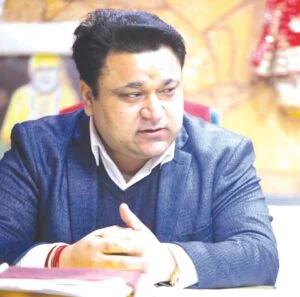
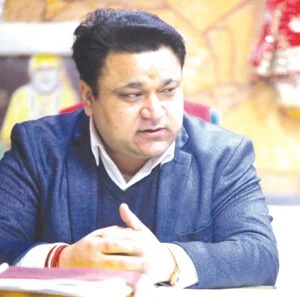
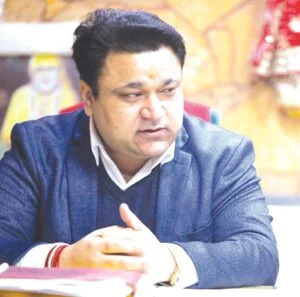
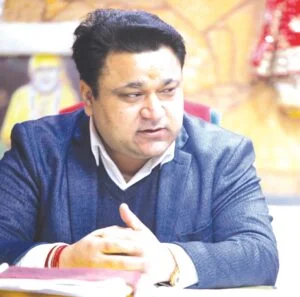
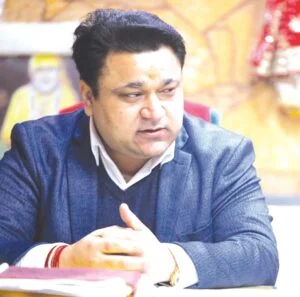
JAMMU: Prime Minister Narendra Modi’s announcement of fast-track courts and stronger action against those involved in paper leaks has shifted the national conversation from political confrontation towards institutional reform—an approach that had been articulated two days earlier by The Earth News Editor-in-Chief Shivang Satya Gupta in a widely viewed podcast https://youtu.be/7u7xNGQGNnY?si=QGXnbOME-LDX6IpW
In his message on X on Thursday, Modi asserted that the welfare of the country’s youth remains the government’s “utmost priority” and declared that those attempting to jeopardise students’ futures “will not be spared”. He announced the setting up of fast-track courts to ensure swift and stringent punishment in paper leak cases while directing authorities to take all necessary measures to safeguard students’ interests.
The Prime Minister’s emphasis on legal deterrence, speedy trials and systemic reforms closely mirrors the concerns raised by Shivang Satya Gupta, who argued that the debate over examination irregularities must move beyond demands for resignations and focus instead on strengthening India’s legal and institutional framework against organised examination fraud.
In his podcast, released two days before the Prime Minister’s post, Gupta contended that repeated examination scandals exposed weaknesses in the existing legal architecture rather than merely administrative failures. He argued that the country needed stronger deterrence through tougher statutory provisions, faster investigations, time-bound trials, enhanced asset confiscation, greater accountability and comprehensive reforms capable of preventing future paper leaks.
Gupta had also questioned why public discourse remained centred on political accountability while comparatively little attention was being paid to plugging legal loopholes that allow organised examination fraud to recur.
The Prime Minister, addressing NDA MPs earlier this week, similarly described paper leaks as a “grave sin” and emphasised that the issue transcended party politics, calling it a matter of national interest. He stressed that governments at both the Centre and in the states must work together to build a fool-proof examination system while ensuring that students are not misled.
The government’s latest announcement comes amid nationwide protests over alleged irregularities in the NEET examination. Student organisations have demanded the resignation of Union Education Minister Dharmendra Pradhan, while demonstrations in Delhi led to clashes with police earlier this week.
However, the renewed focus on legal reforms has also revived debate over whether India’s examination system requires structural changes rather than episodic administrative responses after every controversy.
Gupta had argued that India’s competitive examination ecosystem requires comprehensive reforms extending beyond immediate criminal investigations. Among the issues he highlighted were the need for graded punishment based on the scale of the offence, mandatory timelines for investigation and trial, stronger provisions against organised cheating networks, improved digital safeguards, protection for whistle-blowers and greater accountability across the examination ecosystem.
The Prime Minister’s decision to establish fast-track courts signals the government’s intent to strengthen enforcement mechanisms against paper leak cases. While further legislative and policy changes may still be required, the announcement has brought the national discussion closer to the reform-oriented approach advocated earlier by Shivang Satya Gupta, who had urged policymakers to prioritise systemic legal safeguards to protect the future of millions of students rather than allowing the issue to remain confined to political rhetoric.
With Parliament also expected to deliberate on the issue, the focus now shifts to whether these policy initiatives translate into durable legal reforms capable of restoring public confidence in India’s examination system.